
Power flushing and heating system cleaning
Power flushing for central-heating systems with sludge, cold spots, poor circulation or dirty system water across Farnborough, Camberley, Frimley, Aldershot and nearby areas. We use a two-person radiator-by-radiator process so the clean is actively worked through the system rather than treated as a simple chemical flush.
★ 4.9/5 · 67 Google reviews · Standard appointments: Mon–Fri 08:00–17:00 · Emergency call-outs: 24/7
Clear pricing agreed before work starts.
Signs of a dirty or restricted heating system
Power flushing is useful when there is evidence that sludge or contamination is reducing circulation. It is not a cure for every heating fault, so the system should be assessed first.
Cold radiator bottoms
Sludge settling in radiators can leave the lower sections noticeably colder.
Several slow radiators
Multiple radiators heating slowly or unevenly can point to poor circulation.
Dirty system water
Very dark or contaminated water is a strong sign that the system needs attention.
Noisy pump or boiler
Contamination and poor circulation can contribute to noise, although the exact cause still needs checking.
Repeated valve problems
Dirty water can affect radiator valves and other small waterways in the system.
New boiler/system protection
Cleaning may be appropriate when system condition needs improving before or alongside major heating work.
A two-person process focused on each radiator
During a power flush, one person can monitor the returning water and equipment while the second works around the property, isolates and agitates individual radiators and checks how each part of the system is responding.
That lets us work radiator by radiator rather than simply circulating chemicals through the whole system and hoping for the best.
What power flushing cannot guarantee
Cleaning an older system can expose components that were already weak or partially blocked. It is important to allow for that rather than promise that every problem disappears once the water is clean.
Radiator valves may leak
Older TRVs or lockshield valves can begin leaking after being operated or disturbed and may need replacement at additional cost.
Pump condition
A worn pump may already have been damaged by poor system water and can sometimes require replacement after or during cleaning.
Heavily blocked components
A completely blocked radiator or section of pipe may need separate attention if flushing cannot restore flow.
Existing corrosion
Power flushing removes contamination; it does not repair metal that has already corroded through.
Power flushing across Surrey, Hampshire and Berkshire
LDM Group UK covers Farnborough, Frimley, Camberley, Aldershot, Fleet, Farnham and surrounding areas. Availability depends on the job and location.
More heating help from LDM Group
Power flushing FAQs
Does every heating system need a power flush?
No. It should be recommended because the symptoms and system condition suggest sludge or restricted circulation, not simply because the system is old.
Why do you use two people for power flushing?
It allows one person to monitor the flushing equipment and returning water while the other agitates and works through individual radiators, which gives better control over the process.
Can radiator valves leak after a power flush?
Yes. Older TRVs and lockshield valves may already be worn, and operating or disturbing them can reveal leaks. Replacement would be additional work if required.
Can the heating pump fail after flushing?
A pump that has been running in dirty system water may already be worn. If a pump problem becomes apparent, we’ll explain the evidence and replacement option separately.
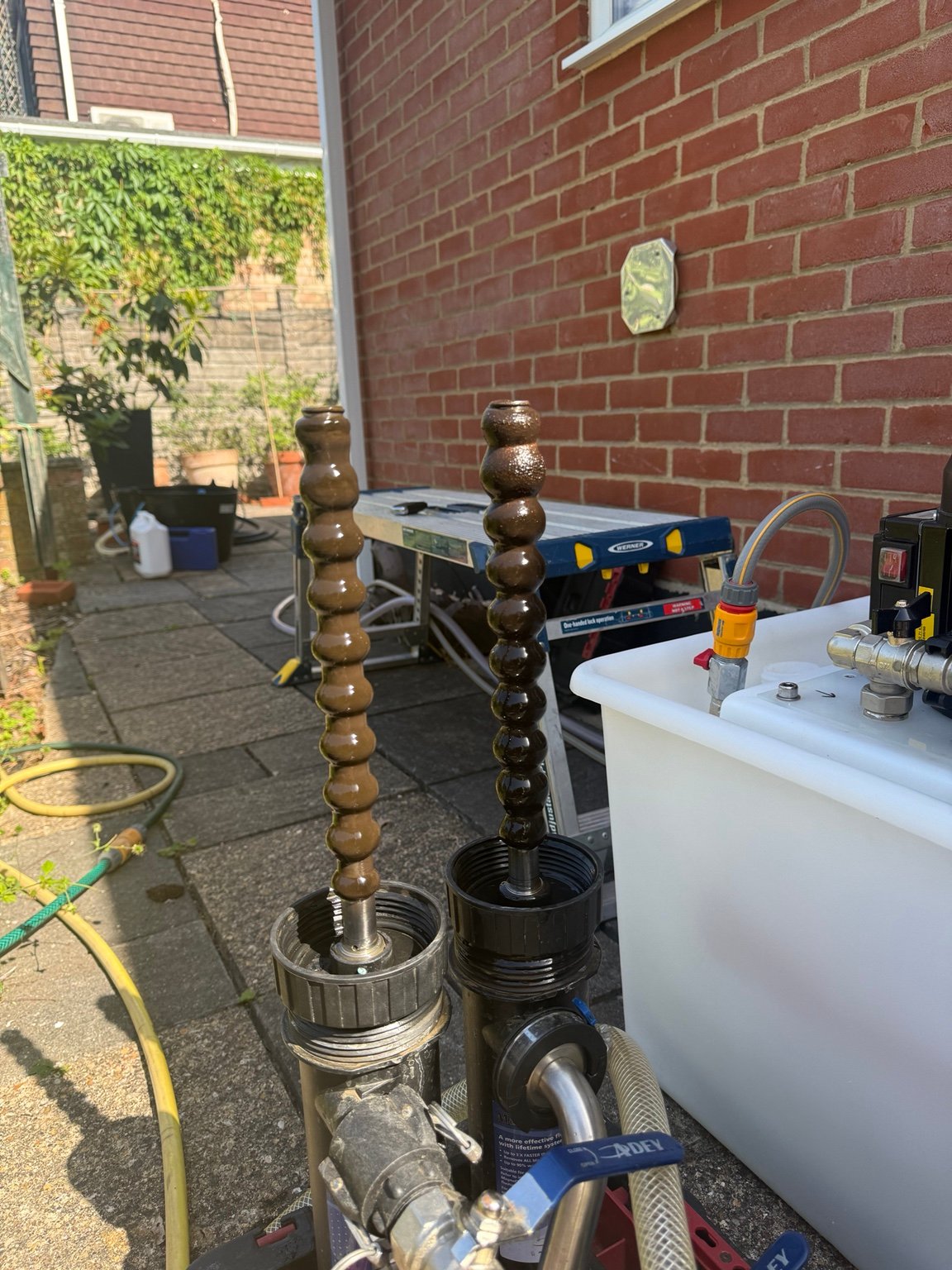
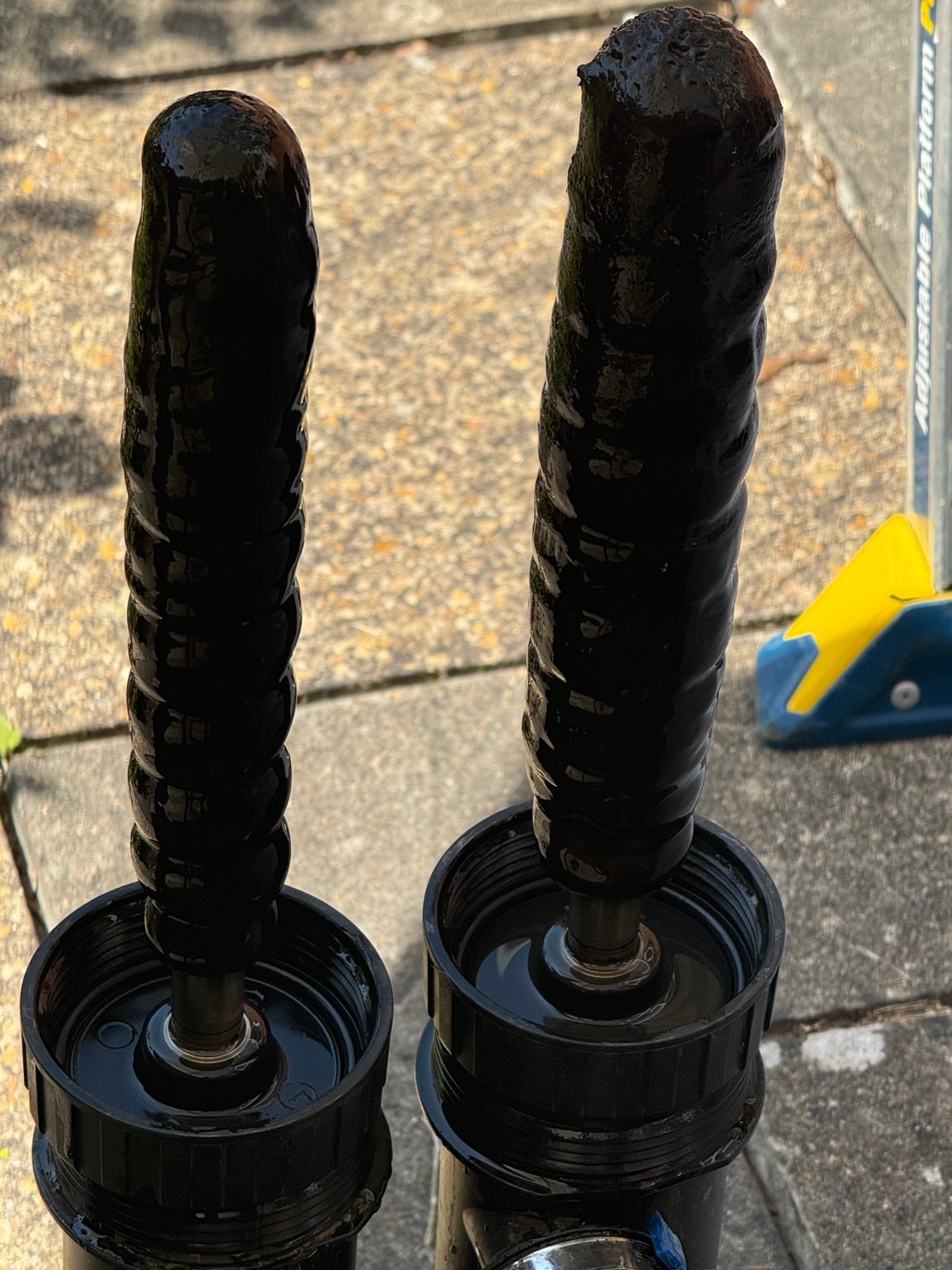
Recent powerflush
Need plumbing, heating, gas or renewables help?
Tell us what you need help with and we’ll get back to you after reviewing the details. For urgent plumbing or heating problems, calling is usually the fastest option.
Send an enquiry
Use the form below and include as much detail as possible.
Think your heating system may need cleaning?
Tell us how many radiators you have and what symptoms you are seeing. Photos of cold radiators, dirty water or the heating controls can also help us judge whether power flushing is the right next step.